Cabinetry 101
What’s the difference between
frameless, inset, and face frame?
-
Frameless:
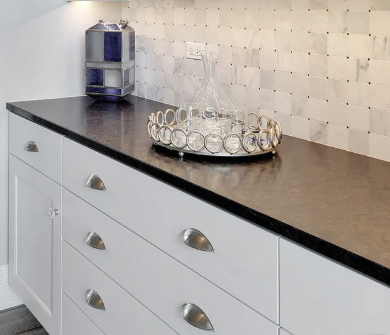
Frameless is a European-style that is rapidly becoming popular in the USA. Frameless cabinets do not have a face frame on the front of the cabinet box. Instead, doors and drawers are attached directly to the sides of the cabinet box. It is a full overlay style, meaning there is typically only ⅛” reveals between door/drawer fronts.
-
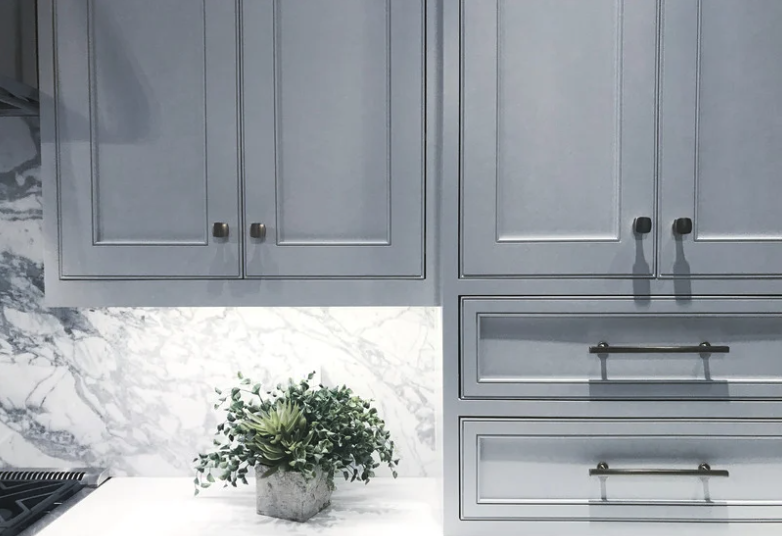
Inset:
Inset cabinetry refers to the door and drawer fronts sitting flush within the cabinet frame. The doors and drawers are “inset” into the face frame rather than sitting on top of the frame (like overlay doors). Inset is when drawers are completely flush (or inset) from the boxes. This is regarded as the high end of cabinetry styles because it requires incredibly precise measurements and has no forgiveness.
-
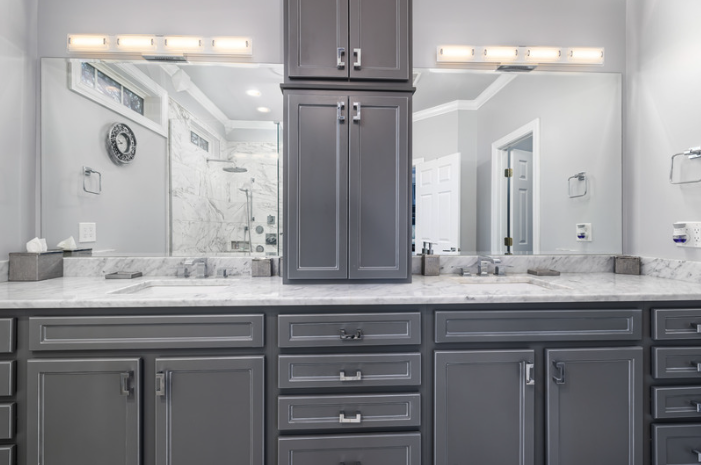
Face Frame:
Face frame is a structural hard wood component that is attached to the front of a cabinet box where doors and drawers will overlay. This has been the traditional cabinet style in the USA.
What is the difference between
cabinet refacing and custom cabinetry?
-
Cabinet Refacing
What it is: Cabinet refacing keeps the existing cabinet boxes in place but replaces the “skin” — meaning new doors and drawer fronts are applied to the visible surfaces of the cabinet boxes. New hardware (hinges, pulls, knobs) is usually added too.
What stays: The layout, cabinet structure, and interior boxes remain the same.
When it works best: If the cabinet boxes are still sturdy and the homeowner likes the existing kitchen layout but wants a fresh look.
-
Custom Cabinetry
What it is: Fully built-from-scratch cabinetry, designed and constructed to the exact measurements, style, and functionality the homeowner wants.
What changes: Everything — from cabinet boxes to doors, drawers, and hardware. The layout, sizing, and interior organization can all be customized.
When it works best: If the homeowner wants to change the layout (like adding an island or opening up space), improve storage, or if the current cabinets are damaged, poorly built, or outdated in function.
What’s the difference between stock,
semi-custom, and custom cabinets?
-
Stock Cabinets:
Cabinets that are mass-produced in standard sizes and finishes and ready to assemble. Think of big-box stores or ready-to-assemble lines like IKEA or Home Depot’s off-the-shelf cabinets. While they’re quick to get and easy on the wallet, the trade-off is limited design flexibility — you’re restricted to standard sizes, door styles, and colors. For example, if you have an unusually shaped kitchen, angled walls, or need a specific height, stock cabinets may not fit without leaving awkward gaps or requiring fillers.
-
Semi-Custom Cabinets:
Semi-custom cabinets can include some customization options, but they are limited. They start with a standard cabinet line but allow for some personalization, such as adjusting depths, choosing from a wider selection of door styles, finishes, and hardware.
-
Custom Cabinets:
Custom cabinets are designed and built from scratch to fit your home, your lifestyle, and your taste. Every detail — dimensions, finishes, storage features, and unique design requests — is tailored to you. Whether you want cabinetry that wraps around tricky corners, floor-to-ceiling bookshelves with integrated lighting, or a hidden pantry door, custom cabinetry offers limitless possibilities. The materials and craftsmanship are higher quality, which means longer-lasting durability along with maximum storage and usage.
At SL Woodwork, we specialize exclusively in custom cabinetry.
Is painted or stained cabinetry
more durable?
-
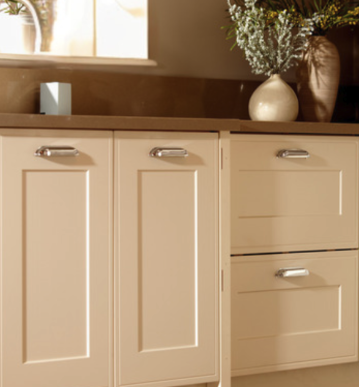
Painted Cabinetry:
Painted cabinetry offers unlimited color options — from crisp whites to bold, modern hues — making it perfect if you want a specific design style or a smooth, uniform finish. Because the paint covers the wood grain, the result is clean and consistent across every cabinet door. With today’s advanced finishing techniques, painted surfaces are tough and resistant to everyday wear. Painted cabinets are especially popular for achieving a classic, timeless look or for adding a fresh, contemporary pop of color.
-
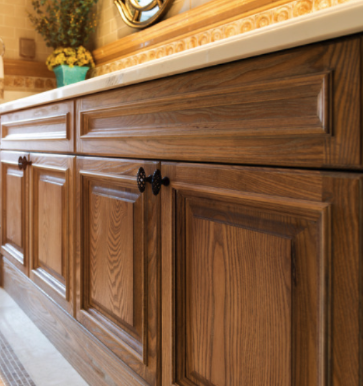
Stained Cabinetry:
Stained cabinetry enhances the natural beauty of the wood itself, allowing the unique grain patterns to show through. Stains range from light and natural to rich and dark, giving you a wide spectrum of warm, organic finishes. Stained surfaces often do a great job at hiding minor nicks or wear over time, since the wood grain adds natural variation. If you appreciate the character of real wood and want a finish that ages gracefully, stained cabinetry is an excellent choice.